In an unpredictable world, where severe weather can knock out power grids and daily life demands off-grid solutions, a reliable portable home generator isn't just a convenience—it's an essential safeguard. Whether you're bracing for winter storms, seeking power for a remote job site, or simply want to elevate your camping experience, the right best portable home generator can provide peace of mind and essential electricity. These versatile machines ensure your heating, lights, chargers, and crucial appliances stay operational, keeping your home functional and your family safe.
Choosing the ideal generator can feel daunting with so many options on the market. This flagship guide serves as your comprehensive hub, designed to cut through the noise and help you identify the perfect portable power solution for your specific needs.
Why a Portable Generator is Your Home's Best Backup Plan
Power outages, often triggered by severe weather like hurricanes, blizzards, or heatwaves, are more than just an inconvenience; they can pose serious risks to comfort, food safety, and communication. Unlike much larger, permanent whole-house generators that can cost upwards of $10,000, portable generators offer a significantly more accessible and flexible solution, typically ranging from $400 to $2,300. Their ability to deliver immediate power makes them invaluable for emergency preparedness and a wide array of recreational and professional uses.
We've meticulously reviewed the market's leading options, considering everything from raw power output and fuel efficiency to advanced safety features and ease of use. If you're looking for a deeper dive into what factors matter most, our comprehensive Portable Home Generator Buying Guide will walk you through all the considerations.
Top Picks: Finding Your Ideal Portable Power Partner
Our expert-vetted selections cover a range of needs and budgets, ensuring there's a perfect fit for everyone. Each recommendation balances performance, reliability, and user-friendly features, reflecting extensive research and real-world insights.
Best Overall: Honda EM5000SX
For those seeking a powerful and incredibly reliable gas-powered solution, the Honda EM5000SX stands out. Recommended by certified emergency manager Michael Prasad, it offers an impressive 5,000-watt running output—enough to power most essential household appliances, from refrigerators to sump pumps. Its robust performance, combined with Bluetooth connectivity via the Honda My Generator app for remote start/stop and monitoring within 75 feet, makes it a top contender for both emergency use and everyday tasks.
Best Battery Powered: Anker Solix F3800
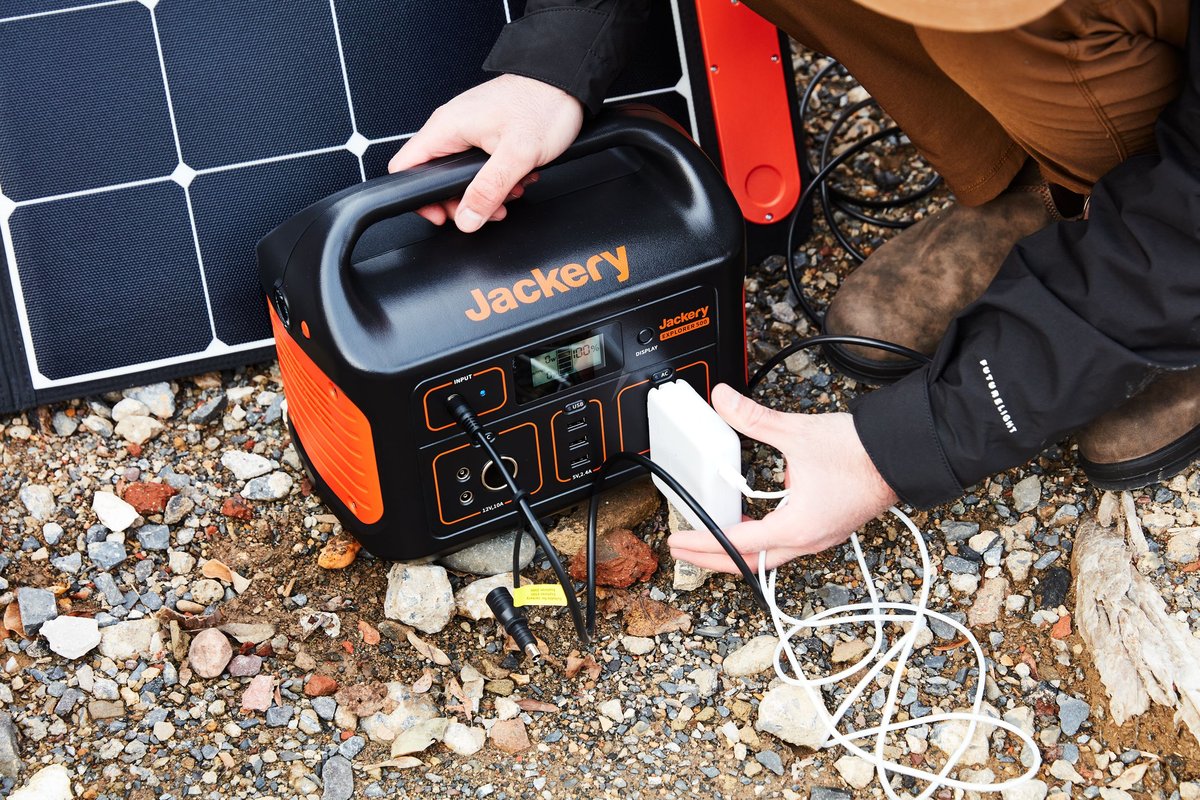
Step into the future of portable power with the Anker Solix F3800, a complete solar generator system that pairs a high-capacity power station with two 200-watt solar panels. With a massive 3,840Wh capacity, it can charge a smartphone 465 times, run a mini-fridge for 30 hours, or keep a full-size refrigerator going for 15 hours. The primary benefit? It operates virtually silently, produces no fumes, and is perfectly safe for indoor use. Charging is flexible, with solar reaching 0-80% in an ideal 1.5 hours, or a full wall socket charge in about two hours. It boasts an array of ports, including six 120V AC outlets, multiple USBs, and even NEMA 14-50 and L14-30 connections for RVs or EVs. The large display and Anker app provide remote status and customization, and for whole-home integration, multiple units can even connect to an electric panel via a transfer switch.
Best Dual Fuel: Westinghouse WGen9500DFc
Versatility is key with the Westinghouse WGen9500DFc, which runs seamlessly on both gasoline and propane. This dual-fuel capability allows you to switch between fuel sources without shutting down the unit, offering extended runtimes and flexibility. It's designed with user convenience in mind, featuring a push-button start and a remote start key fob that works up to 99 feet away, plus it includes a propane hose with a regulator. Available in wattages from 4,650W up to a mighty 15,000W, the 9,500W model is a robust choice for significant power needs.
Best Budget: Champion Power Equipment 200989
Power doesn't have to break the bank. The Champion Power Equipment 200989 offers exceptional value as a dual-fuel generator, providing 3,500 running watts on gas and 3,150W on propane. It delivers impressive runtimes—up to 14 hours on its 4.7-gallon gas tank at 50% load, or 10.5 hours on propane. Weighing a manageable 104 pounds, it features covered outlets for added safety and boasts an automatic CO shut-off, making it a smart, affordable choice for home backup or recreational use.
Best Heavy Duty: Honda EB10000
When maximum power and durability are non-negotiable, the Honda EB10000 steps up. With a formidable 10,000-watt capacity and 9,000 running watts, it’s built to handle the most demanding tasks, from job sites to large-scale disaster recovery. This beast is powered by a commercial-grade Honda GX630 engine and features a robust one-piece frame. It can run for 7.9 hours on an 8.1-gallon fuel tank at half-load and, despite its power, maintains a relatively quiet 73 decibels. At 403 pounds, it includes a lift-hook handle and wheel kit for mobility.
Best Compact: Honda EU2200i
For ultimate portability without sacrificing capability, the Honda EU2200i is a champion. Weighing just 47.4 pounds and featuring a top-mounted carrying handle, it’s designed for easy one-handed transport. Don't let its size fool you; this inverter generator delivers 2,200 starting watts, enough to run a full-sized refrigerator/freezer or several smaller appliances, with runtimes up to 9.6 hours. For those moments when you need a bit more juice, you can combine its output with a second unit using a parallel cord, effectively doubling your power. If you're wondering which models are truly best for specific scenarios, Here are a few options for tackling everything from camping trips to critical home backup.
Understanding Portable Generator Types and Fuel Efficiency
Portable generators broadly fall into two categories: traditional and inverter. Inverter generators are generally lauded for being more fuel-efficient, quieter, and producing cleaner power, which is safer for sensitive electronics. Traditional generators, while often louder and less efficient, can sometimes offer more raw power for heavy-duty tools.
Fuel type is another critical consideration that impacts runtime, storage, and environmental footprint. While gasoline is the most common fuel, options like propane, natural gas, and the increasingly popular battery-powered solar generators offer distinct advantages. For a detailed breakdown of how each option performs and which might be best for your situation, explore our guide on Portable Generator Fuel Types & considerations.
Prioritizing Safety: A Non-Negotiable Aspect of Generator Ownership
The most critical safety concern with all portable combustion generators is the production of carbon monoxide (CO), an odorless, invisible, and highly toxic gas that can be fatal. Never operate a portable generator indoors, in a garage, or near windows and vents leading into your home. Always position the generator at least 20 feet away from your home with the exhaust pointed away. Newer models often incorporate improved CO safety features, including automatic shut-off if CO levels become dangerous.
Proper setup and regular maintenance are paramount to safe and efficient operation. From understanding proper ventilation to regular checks and storage tips, maintaining your generator correctly ensures it's ready when you need it most. To ensure your generator remains a safe and reliable power source, Here are a few options for understanding the best practices for safe operation and essential maintenance.
Sizing Your Generator: Power, Weight, and Price Considerations
The ideal size for your portable generator depends heavily on what you intend to power. Generators are categorized by their wattage output, which directly correlates with the number and type of appliances they can run.
Large Portable Generators
- Power: Typically range from 7,000 to over 8,000 watts.
- Weight: Often 200+ pounds.
- Use: Capable of powering most or all essential appliances in a home, including central air conditioning (depending on wattage).
- Installation: For hardwired appliances like furnaces or well pumps, these often require professional installation of a transfer switch by a licensed electrician.
- Price: Generally range from ~$850 to $2,300.
Midsized Generators
- Power: Offer 2,500 to 4,900+ watts.
- Weight: Around 80 to 180 pounds.
- Use: Excellent for powering RVs, campers, or a selection of household essentials via heavy-duty extension cords.
- Price: Fall in the ~$400 to $2,000 range.
Compact/Small Generators
- Power: Up to 2,500 watts.
- Weight: Generally light, around 50 to 60 pounds.
- Use: Perfect for campsites, tailgates, or powering a refrigerator and a few lights at home.
- Characteristics: Known for being fuel-efficient and quiet.
- Price: Typically range from ~$500 to $1,100.
When selecting your generator, remember that engineers rigorously test these units by loading them with various essential appliances. They assess the generator's ability to handle rated loads and sudden voltage spikes (like a refrigerator compressor kicking on), ensuring it performs reliably under real-world conditions. Key evaluation points include spike handling, ease of use, fuel efficiency, and overall runtime.
Connecting Your Portable Generator to Your Home
For maximum convenience and safety, especially with larger units, you might consider connecting your portable generator directly to your home's electrical panel via a manual transfer switch. This setup allows you to power specific circuits in your home directly without running multiple extension cords, making the transition to backup power seamless and safe. This process typically requires a qualified electrician to ensure compliance with local electrical codes. For a step-by-step guide and important safety considerations, learn How to connect a generator to your home's power system properly.
Your Path to Uninterrupted Power
Investing in the best portable home generator is an investment in your comfort, safety, and peace of mind. By understanding the different types, their capabilities, and how to operate them safely, you can make an informed decision that empowers you to face any power challenge. Explore our supporting guides to delve deeper into each aspect, ensuring you're fully prepared to select, operate, and maintain your ideal portable power solution.