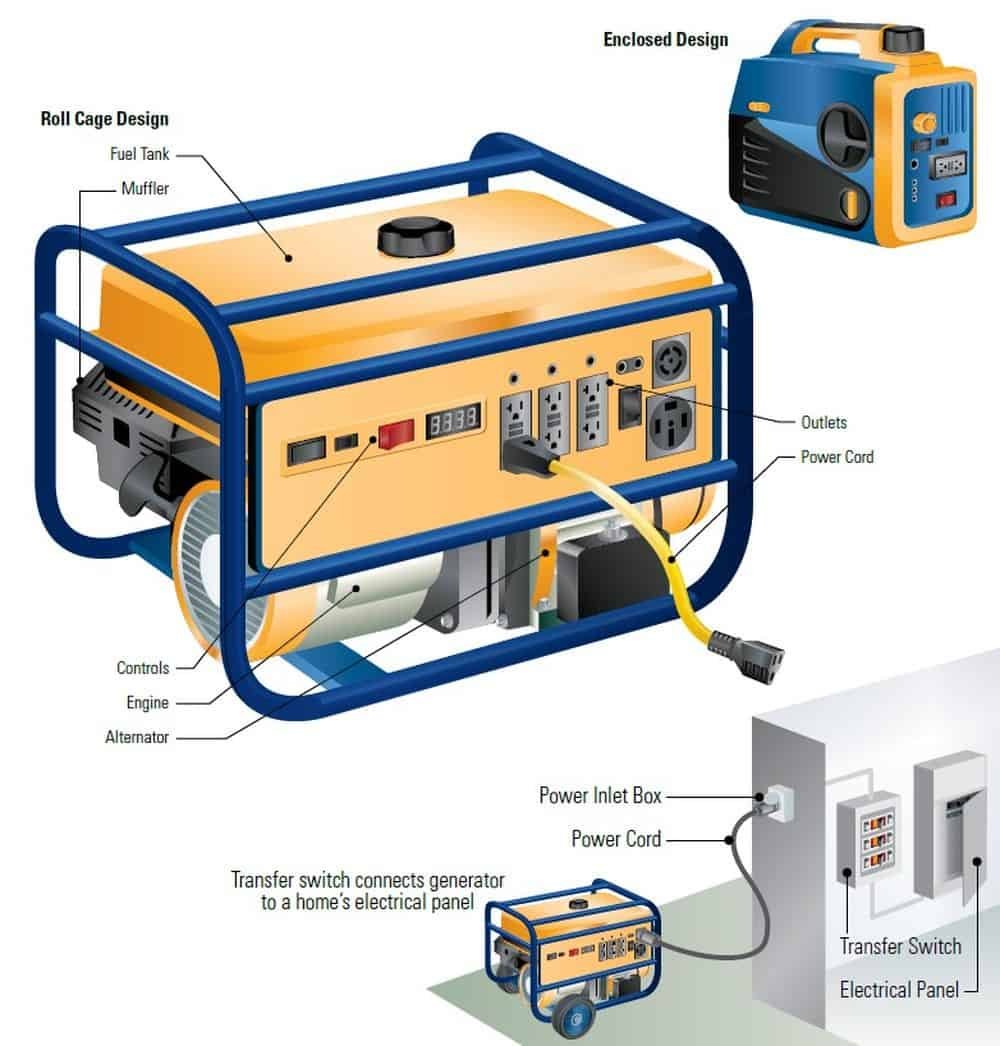
When the power flickers out, your smart home—the hub of your modern life—can quickly go dark and dumb. Suddenly, your smart thermostat is useless, your connected security cameras are blind, and even your smart fridge is just… a fridge. That's where a portable generator steps in, becoming your home's unsung hero. But choosing the right one isn't just about wattage; it's crucially about Portable Generator Fuel Types & Efficiency and how they align with your needs.
It's a decision that impacts everything from how long you can keep your lights on to how much noise you're willing to tolerate and, crucially, how much you'll spend. No single fuel type is perfect for every home or every scenario, but by understanding the pros, cons, and nuances, you can make an informed choice that keeps your smart home, well, smart, even when the grid isn't.
At a Glance: Picking Your Generator's Fuel
- Gasoline: Common, affordable, good for short-term outages. Needs careful fuel storage and ventilation due to fumes and noise.
- Propane: Clean-burning, long shelf life, relatively quiet. Requires tank storage, but performs well in cold and is easy to store.
- Natural Gas: Unlimited supply if connected, lowest emissions, quietest. Dependent on utility lines and fixed installation.
- Diesel: Highly efficient, durable, longer engine life. Higher upfront cost, can be noisy, and needs cold-weather additives.
- Dual-Fuel: The best of both worlds, offering flexibility between gasoline and propane. A bit pricier but offers options.
- Solar (Battery): Silent, zero emissions, safe for indoor use. Limited power output, dependent on sunlight for recharging.
Why Your Fuel Choice is the Heart of Your Backup Plan
Before we dive into the specifics, let's establish why this decision carries so much weight. Your generator's fuel type isn't just about what you pour into it; it dictates its operating cost, how you store the fuel, the ease of use during an emergency, critical safety protocols, and even the noise level disrupting your neighborhood (and your smart home's audio commands).
The "best" choice is inherently personal. It hinges on your lifestyle, your budget, how often you anticipate needing backup power, and the unique conditions of your local environment. Are you in a rural area prone to long outages? A suburban home worried about noisy neighbors? Or a tech-savvy urbanite needing quiet, clean power for a few crucial devices? The answer starts with understanding the fuel.
Decoding the Fuel Types: Pros, Cons, & Smart Home Fit
Let's break down the most common portable generator fuel types, giving you the detailed intel you need to weigh your options.
Gasoline Generators: The Go-To for Quick Power
Gasoline generators are often the first thing people think of when considering portable power. They're readily available, relatively inexpensive upfront, and offer a decent power punch for their size.
- Pros: You can find gasoline almost anywhere, making it convenient. Many affordable portable models run on gasoline, offering good power output without breaking the bank.
- Cons: The fuel itself is the biggest drawback. Gasoline has a notoriously short shelf life—think 3-6 months without a stabilizer before it starts to degrade and gum up your engine. It's also high in emissions, operates noisily, and requires frequent refueling during an extended outage. Storing large quantities safely is also a significant challenge due to flammability and fumes.
- Performance: A typical 5 kW gasoline unit can comfortably power essential smart home appliances like your refrigerator, freezer, and a sump pump for 8-12 hours on a single tank. This is usually enough to weather shorter outages.
- Safety & Maintenance: Always store gasoline in approved, sealed containers, far away from your living areas and any ignition sources. For long-term storage, always use a fuel stabilizer. Critically, gasoline generators must always run outdoors, at least 20 feet from windows, doors, and vents, to prevent lethal carbon monoxide poisoning. Regular oil changes and filter checks are also essential.
Propane Generators: Clean, Quiet, & Shelf-Stable
Propane has gained significant traction as a preferred fuel for home backup, particularly for those prioritizing cleanliness and storage convenience.
- Pros: Propane is a clean-burning fuel, resulting in lower emissions than gasoline or diesel. Its shelf life is practically indefinite when stored in sealed tanks, meaning you don't have to worry about fuel degradation. They generally operate quieter than gasoline or diesel units, which is a big plus for residential areas and maintaining peace in your smart home. Propane is also widely available, especially in rural and suburban areas, and tanks come in flexible sizes, from small 20lb cylinders to massive 500-gallon options. It also performs reliably in cold climates without gelling issues.
- Cons: Propane has a slightly lower energy density than gasoline or diesel, which might mean you'll go through tanks a bit faster or need larger tanks for the same run time. You'll also need dedicated storage tanks and a delivery or refill service for larger volumes.
- Performance: While the provided context focuses on a 22 kW standby unit running for 7-10 days on a 500-gallon tank, a portable propane generator will offer comparable run times to gasoline per unit of energy, but with the added benefits of clean burn and easy storage. This makes it an excellent choice for portable backup for several days.
- Safety & Maintenance: Regularly inspect propane tanks, hoses, and fittings for any signs of leaks. Store tanks upright in a well-ventilated area outdoors, away from direct sunlight and heat. Having spare, full tanks before storm season hits is a smart move.
Natural Gas Generators: The Set-It-and-Forget-It Solution
Natural gas generators truly shine for long-term, hands-off backup power, making them ideal for whole-house standby systems. While typically less "portable" in the traditional sense, some larger portable units can be adapted if a natural gas hookup is available.
- Pros: The ultimate advantage here is an unlimited fuel supply, assuming your home is connected to a natural gas line and the utility infrastructure remains intact. They are incredibly clean-burning, produce very low emissions, and require minimal maintenance. Natural gas generators are also typically the quietest option, seamlessly blending into a smart home environment without obtrusive noise.
- Cons: The major limitation is availability; natural gas isn't piped to every area. Crucially, your generator's operation is entirely dependent on the utility infrastructure, meaning if the gas line is disrupted, your generator goes silent. Upfront installation costs, including professional gas line hookup, can also be significantly higher than for other portable options.
- Performance: As long as the supply isn't interrupted, a natural gas generator can run indefinitely. This makes it unmatched for multi-day or multi-week outages where fuel logistics are a primary concern.
- Safety & Maintenance: Natural gas generators are among the safest and cleanest, requiring less hands-on maintenance than their liquid-fueled counterparts. However, professional installation and regular checks of the gas line by a qualified technician are crucial.
Diesel Generators: Powerhouses for Heavy Loads & Endurance
Diesel generators are workhorses, often favored for commercial applications or large homes that demand serious, continuous power. They're built for endurance and efficiency under heavy loads.
- Pros: Diesel generators are highly fuel-efficient, especially when powering heavy loads, which translates to longer run times per gallon. Their engines are known for durability and a longer lifespan than gasoline units. Diesel fuel itself is less flammable than gasoline, offering a safer storage profile. You'll get impressive run times and the fuel stores better than gasoline (6-12 months).
- Cons: The initial cost for a diesel generator is typically higher. They are also notoriously louder than propane or natural gas models. In cold weather, diesel fuel can "gel," requiring anti-gel additives to prevent engine issues. Emissions are higher than propane or natural gas, and while safer than gasoline, stricter storage safety measures are still necessary.
- Performance: A 15 kW diesel unit could power a large smart home's HVAC, well pump, and kitchen appliances for days with less fuel consumption than comparable gasoline or propane systems.
- Safety & Maintenance: In cold climates, always use fuel conditioners to prevent gelling. Store diesel in clean, sealed containers and rotate your fuel supply every 6-12 months. Regular maintenance, including changing oil, fuel filters, and air filters, is essential to keep these durable machines running smoothly.
Dual-Fuel Generators: The Best of Both Worlds?
Can't decide between gasoline and propane? A dual-fuel generator offers the flexibility to switch between them, providing a versatile solution for varied emergency scenarios.
- Pros: The primary benefit is unparalleled flexibility. You can use gasoline if it's readily available, or switch to propane for its longer shelf life and cleaner burn. This extends your runtime during emergencies by giving you two fuel sources. They're excellent for both home backup and recreational purposes, like camping or RVing.
- Cons: Dual-fuel units typically come with a slightly higher purchase price than single-fuel counterparts. You'll also need to manage and safely store two different types of fuel, adding a layer of complexity to your emergency preparedness.
- Performance: A 7.5 kW portable dual-fuel unit could power your home essentials on propane for an extended period, then switch to gasoline if propane runs out or if you need to take the generator on the road. This flexibility can be a lifesaver during prolonged outages.
- Safety & Maintenance: You'll need to follow the safety and maintenance guidelines for both gasoline and propane systems. Keep both fuel supplies fresh and safely stored. It's a smart idea to practice switching between fuels before an emergency to ensure you're comfortable with the process.
Solar (Battery) Generators: Silent, Clean, & Indoor-Safe
For those prioritizing silence, zero emissions, and the ability to power devices indoors, solar (battery) generators—often just called "portable power stations"—are a compelling, albeit different, option. They capture and store energy, making them fundamentally different from combustion-engine generators.
- Pros: Absolutely zero emissions, silent operation, and no ongoing fuel costs make them incredibly attractive. They are safe for indoor use, meaning you can power your essential smart devices directly inside your home. Maintenance is minimal.
- Cons: The most significant drawback is limited power output. They are generally unsuitable for high-demand appliances like refrigerators or central HVAC systems. Their recharging is dependent on sunlight if using solar panels, which means cloudy days or nighttime operation without prior charge can be limiting. You can recharge them via AC or another generator, but that adds complexity.
- Performance: A 2 kW solar generator unit can comfortably power laptops, phones, LED lights, and small fans. They are ideal for short outages, charging your smart devices, or providing power to an off-grid cabin, but they won't provide whole-home coverage like a traditional combustion generator.
- Safety & Maintenance: Keep solar panels clean for maximum efficiency. Store the battery at recommended charge levels and avoid overloading circuits to protect the inverter and battery.
Beyond the Fuel: Key Considerations for Smart Home Owners
Choosing a generator isn't just about the fuel type; it's about how that fuel type integrates into your life and home during an emergency. Here are the crucial factors to weigh. If you're looking for an overall guide to finding the right fit for your home, you might also want to explore what makes the best portable home generator a smart investment.
Local Fuel Availability: Don't Get Stranded
Before you commit, scout your local landscape. How reliable are propane delivery services in your area? Do gas stations in your vicinity have backup power to pump gasoline during an outage? Can you easily source diesel fuel locally? Your ideal fuel type is useless if you can't get it when you need it most.
Storage Space: Planning for Your Fuel Supply
This is often an overlooked detail. Do you have room for propane tanks? Can you safely store gasoline or diesel in approved containers away from living areas? Propane and diesel are generally considered safer for residential storage than gasoline, which requires extremely careful handling and ventilation. Consider the bulk and flammability.
Maintenance Commitment: How Hands-On Do You Want To Be?
Generators aren't "set it and forget it" machines (unless you're on natural gas or solar). Solar battery generators require almost no maintenance beyond keeping panels clean. Propane and natural gas units are relatively low-maintenance. Gasoline and diesel units, however, require more frequent servicing—think oil changes, filter replacements, and fuel system checks—to ensure they start reliably when needed.
Environmental Impact: Your Footprint Matters
For eco-conscious smart homeowners, this is a significant factor. Solar and propane are by far the cleanest options, producing minimal to zero emissions. Natural gas is also very clean. Diesel and gasoline, while effective, emit more pollutants, including particulates and CO₂.
Noise and Comfort: Keeping the Peace
A loud generator can quickly turn your backup power into a headache for you and your neighbors. Propane, natural gas, and inverter gasoline models tend to be much quieter. Diesel and standard gasoline units are generally the loudest. Think about where your generator will operate and how much noise is acceptable for your smart home environment.
Outage Scenarios & Run Time: How Long Do You Need Power?
Consider the types of outages you're preparing for. For multi-day or even multi-week outages, natural gas offers unlimited run time. Large propane or diesel standby systems provide far better endurance than small portable gasoline units, which might require refueling every 8-12 hours. Align your fuel choice with your expected outage duration.
Costs: Upfront vs. Ongoing
- Upfront: Gasoline generators are typically the most affordable to purchase initially. Natural gas and larger propane systems often have higher installation costs due to professional hookups. Diesel generators also carry a higher initial price tag.
- Ongoing: Natural gas and propane generally have lower operating costs per hour. Diesel offers excellent fuel consumption efficiency, especially under heavy loads, which can offset its higher initial cost over time. Gasoline can be cost-effective for short bursts but accumulates quickly for prolonged use.
Reliability: Fuel's Shelf Life
Nothing's worse than needing power and finding your fuel has gone bad. Propane and natural gas offer long-term reliability without fuel degradation. Gasoline degrades quickly (3-6 months), while diesel lasts a bit longer (6-12 months). This impacts your fuel storage rotation and overall preparedness.
Extreme Weather Performance: Staying Strong When It's Tough
Mother Nature doesn't care about your generator. Propane performs exceptionally well in cold climates with no risk of gelling. Diesel needs anti-gel additives in freezing temperatures. Gasoline can suffer from vapor-lock in extreme heat or degrade faster, and its ignition can be less reliable in very cold conditions. Solar's efficiency is weather-dependent; heavy clouds significantly reduce charging.
Conversions: A Path to Flexibility?
Some generators, typically gasoline models, can be converted to run on propane (or even natural gas) using manufacturer-approved conversion kits. This can add significant flexibility. However, it's crucial to note that not all models are compatible, and improper conversions can void warranties or create dangerous hazards. Always consult the manufacturer.
Dual-Fuel Value: Is the Extra Cost Worth It?
For many, the added flexibility of a dual-fuel generator is indeed worth the slightly higher purchase price. The ability to switch between gasoline and propane based on availability—which can be critical during widespread outages where one fuel type might become scarce—provides a valuable layer of security and adaptability.
Making Your Smart Choice: A Decision Framework
Now that you've got the full picture, let's put it into action. Here's a framework to guide your decision:
- Assess Your Power Needs: What appliances absolutely must run during an outage? Your smart fridge, internet router, device chargers, perhaps a space heater or AC unit. This determines the wattage you need.
- Evaluate Outage Likelihood & Duration: Do you experience frequent, short outages (a few hours)? Or rare, prolonged events (days to weeks)? This points to your run time and fuel storage needs.
- Check Local Fuel Infrastructure: What's most accessible and reliable in your area? Propane delivery? Natural gas line? Easy access to gas stations with backup power?
- Consider Your Budget: Factor in both the initial generator purchase price and the ongoing fuel and maintenance costs.
- Prioritize Your Values: Is quiet operation paramount? Are low emissions a must? How hands-on do you want to be with maintenance?
- Safety First: No matter what, commit to strict safety protocols for carbon monoxide prevention and fuel storage.
For instance, if you live in a suburban area with occasional, short outages, a dual-fuel portable generator might be your sweet spot, offering the convenience of gasoline and the clean-burning, long-storage benefits of propane. If you're in a rural area prone to long-duration events and have a natural gas line, a standby natural gas generator is unparalleled. If you just need to keep your phones charged and lights on for a few hours indoors, a solar battery generator is ideal.
Common Questions & Smart Answers
Q: Can I run a portable generator indoors?
A: Absolutely NOT, if it's a combustion engine generator (gasoline, propane, diesel, natural gas). These produce carbon monoxide, a colorless, odorless, lethal gas. Only solar (battery) generators are safe for indoor use.
Q: How much fuel should I store for emergencies?
A: This depends on your generator's consumption rate and your expected outage duration. For gasoline, due to its short shelf life, focus on a manageable amount (e.g., 5-10 gallons with stabilizer), rotated regularly. For propane, having several full 20lb tanks or a larger 100lb tank is a good starting point for a portable unit.
Q: Are inverter generators more fuel-efficient?
A: Yes, typically. Inverter generators adjust their engine speed based on the load, which makes them significantly more fuel-efficient and quieter than conventional generators, especially for smaller loads typical of smart home essentials.
Q: Will extreme temperatures affect my generator's performance?
A: Yes. Cold can cause diesel to gel (requiring additives) or make gasoline engines harder to start. Extreme heat can degrade gasoline faster and cause vapor lock. Propane generally performs well in cold, but very low temperatures can reduce tank pressure, affecting larger loads. Solar charging is less efficient on cloudy or heavily overcast days. Always check your generator's operating temperature range.
Your Power-Ready Smart Home: Final Actionable Steps
Choosing the right portable generator fuel type and understanding its efficiency is a critical step in fortifying your smart home against unexpected power outages. It's not just about buying a piece of equipment; it's about investing in peace of mind, knowing that your essential systems will stay online when the grid fails.
Here’s your action plan:
- Re-evaluate Your Needs: Revisit the considerations above, specifically through the lens of your home and your anticipated emergency scenarios.
- Talk to Local Experts: Consult with generator dealers or licensed electricians in your area. They can offer insights into local fuel availability, installation requirements, and what's popular and reliable in your specific climate.
- Practice Preparedness: Once you've made your choice, invest in the generator, appropriate fuel storage, and safety accessories (like a carbon monoxide detector). Then, practice running your generator, familiarizing yourself with startup, shutdown, and refueling procedures. Test it under load.
- Regular Maintenance: Set a schedule for maintenance tasks—especially fuel rotation and oil changes for combustion engines—to ensure your generator is always ready to spring into action.
With thoughtful consideration and proactive planning, you can ensure your smart home remains a bastion of comfort and convenience, no matter what challenges the power grid throws your way.