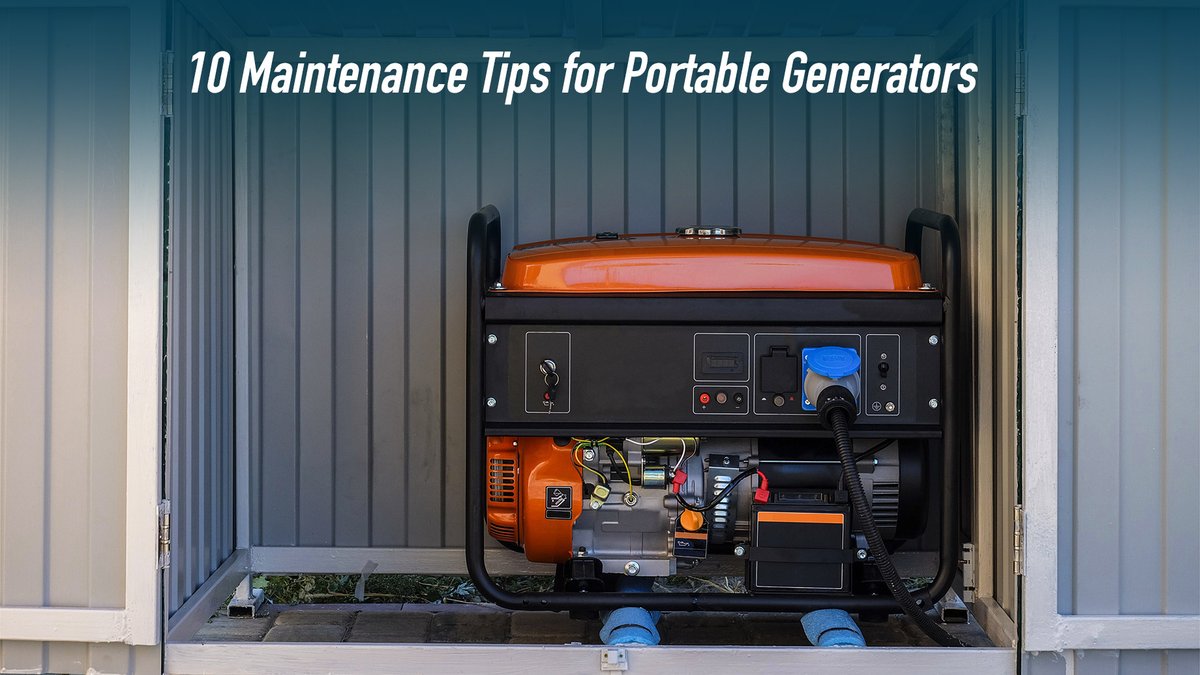
When the lights go out, a portable generator can feel like a lifeline, humming promises of normalcy. But beneath that comforting hum lies immense power—and significant peril—if not handled with the utmost respect. From the silent threat of carbon monoxide to the fiery potential of gasoline, understanding the nuances of Safe Operation & Maintenance for Portable Generators isn't just good practice; it's non-negotiable for your safety and the safety of those around you.
As a seasoned observer of emergencies and resilience, I've seen firsthand how crucial these machines can be, and tragically, how quickly they can turn dangerous when best practices are ignored. This isn't about fear-mongering; it's about empowerment through knowledge. Let’s equip you with the essential wisdom to keep your portable generator a dependable servant, not a hidden hazard.
At a Glance: Your Generator Safety Cheat Sheet
- Always Outdoors: Operate generators only outside, at least 20 feet from any building openings.
- Carbon Monoxide Detectors: Install battery-operated CO detectors in your home, especially near sleeping areas.
- Cool Before Refueling: Shut down and let your generator cool completely before adding fuel.
- No Backfeeding: Never plug a generator directly into a wall outlet. Use a transfer switch installed by a qualified electrician.
- Stay Dry: Protect your generator from rain and moisture, and never operate it on wet surfaces.
- Read the Manual: Your generator’s owner’s manual is your primary safety guide.
- Regular Maintenance: Follow a consistent schedule for oil changes, filter replacements, and inspections.
- Test Periodically: Run your generator monthly to ensure readiness and familiarity.
Why Every Spark Matters: Understanding Generator Risks
Think of your portable generator as a powerful, albeit compact, engine. It runs on fossil fuel, generates electricity, and produces exhaust gases—all elements that demand a healthy respect. Ignoring this inherent power source's potential dangers is like driving without a seatbelt: you might be fine most of the time, but when something goes wrong, the consequences are severe.
The risks primarily boil down to three categories: invisible poisons (carbon monoxide), flammable fuels (fire hazards), and potent electricity (shock hazards). Each demands specific precautions and a vigilant approach. Beyond these immediate threats, proper maintenance extends the life of your machine and ensures it’s ready when you need it most, preventing failures that could exacerbate an emergency.
The Invisible Killer: Protecting Against Carbon Monoxide (CO) Poisoning
Generator exhaust, much like car exhaust, contains carbon monoxide (CO)—a deadly gas you can't see, smell, or taste. This silent assassin claims lives every year because people underestimate its potency or simply aren't aware of proper ventilation requirements.
The Silent Threat
It’s easy to think, "I'll just crack a window," but CO permeates spaces with shocking efficiency. Just a small concentration can quickly overcome occupants, leading to symptoms that mimic the flu, often before anyone realizes the true danger. By the time severe symptoms set in—confusion, loss of consciousness—it can be too late to escape.
Your Action Plan: Placement is Paramount
The golden rule for CO safety is unequivocal: ALWAYS operate generators outdoors. This isn't a suggestion; it's a life-saving directive. Even an open garage or a basement with a window cracked is not safe.
- Distance is Your Ally: Position your generator at least 20 feet away from your home, or any building, window, door, or vent. This distance allows exhaust fumes to dissipate safely into the atmosphere, away from any potential entry points into occupied structures.
- Never Indoors: Reiterate this to yourself and your family: never use a generator in an enclosed or partially enclosed space. This includes garages, basements, crawl spaces, sheds, or utility rooms. Even if you think you have adequate ventilation, it's rarely enough to prevent dangerous CO buildup.
The Unsung Hero: CO Detectors
While proper placement is your first line of defense, battery-operated carbon monoxide detectors are your essential backup. Think of them as your personal air quality sentinels.
- Strategic Installation: Install CO detectors on every level of your home, especially near sleeping areas. This ensures that if CO somehow infiltrates your living space, you and your family will be alerted promptly.
- Regular Checks: Test your CO detectors monthly, just as you would your smoke detectors, and replace batteries according to the manufacturer's recommendations.
Recognizing the Danger: CO Symptoms & What to Do
Knowing the symptoms of CO poisoning can be the difference between life and death. They often start subtly and can be mistaken for other illnesses:
- Early Symptoms: Headaches, dizziness, nausea, fatigue, and weakness.
- Advanced Symptoms: Vomiting, chest pain, confusion, and loss of consciousness.
If anyone in your household experiences these symptoms, particularly when the generator is running:
- Get to Fresh Air Immediately: Move everyone outdoors or to an open window.
- Seek Medical Attention: Call 911 or your local emergency number. Inform medical personnel that you suspect carbon monoxide poisoning.
- Shut Down the Generator: Once everyone is safe, safely shut down the generator and do not restart it until the source of CO has been identified and corrected.
Taming the Blaze: Preventing Generator Fire Hazards
Portable generators run on highly flammable fuels like gasoline, and this presents a significant fire risk if not handled carefully. From fueling procedures to storage, every step requires attention to detail to prevent a catastrophic ignition.
Fueling the Fire: The Volatility of Gasoline
Gasoline is not just a liquid fuel; it produces highly explosive vapors that can travel surprising distances to an ignition source. A single spark, an open flame, or even a hot surface can ignite these vapors with devastating speed.
- Distance from Flames: Keep your generator far away from any open flames, pilot lights, water heaters, furnaces, or other heat-generating objects.
- Smoking Prohibited: This should go without saying, but never smoke or allow open flames near your generator or where you store fuel.
Safe Refueling Practices: Cool Down Before Filling Up
One of the most common causes of generator fires is improper refueling. A hot engine combined with spilled gasoline is an invitation for disaster.
- Shut Down and Cool: Always shut down your generator and allow it to cool for at least 15-20 minutes before attempting to refuel. The generator's engine and exhaust components can reach extremely high temperatures during operation.
- Avoid Overfilling: Never overfill the fuel tank. Leave a little space for expansion, and clean up any spills immediately and thoroughly with a rag. Ensure the rag is disposed of safely away from any ignition sources.
Storage Savvy: Keeping Fuel Secure
The way you store gasoline is just as critical as how you handle it during refueling.
- Approved Containers: Store gasoline only in approved, red, portable fuel containers with tight-fitting lids. These containers are designed to safely hold and transport flammable liquids.
- Cool, Dry, and Away: Keep fuel containers in a cool, dry, well-ventilated location, far away from your home, any heat sources, pilot lights, or appliances. A separate shed or detached garage is ideal, but never inside your living space or an attached garage.
- Fuel Stabilizers: For long-term storage (more than a month or two), use a fuel stabilizer. This additive prevents gasoline from degrading, which can gum up your generator's carburetor and fuel system, making it difficult or impossible to start when you need it.
The Right Connection: Choosing Safe Extension Cords
The cords you use to connect appliances to your generator are part of your fire safety system. The wrong cord can overheat, melt, and ignite.
- Heavy-Duty & Outdoor-Rated: Always use heavy-duty, outdoor-rated extension cords (marked "W" or "WA" for weather resistant) that are specifically designed for generator use and can handle the wattage requirements of your connected devices.
- Proper Gauge: The cord's gauge (thickness) matters. Thicker cords (smaller gauge number) can carry more power safely. Using an undersized cord for a high-wattage appliance will cause it to overheat.
- Inspect Cords: Regularly inspect all extension cords for fraying, cuts, or damage before each use. Replace any damaged cords immediately.
Shock & Awe (The Bad Kind): Avoiding Electrical Dangers
Electricity is unforgiving. Mismanagement of a generator's electrical output can lead to severe shocks, electrocution, damage to your home’s wiring, and even endanger utility workers.
Water & Watts: A Dangerous Combination
As you learned in elementary school, electricity and water don't mix. Even damp conditions can become hazardous when operating electrical equipment.
- Stay Dry: Never operate your generator in the rain, snow, or on a wet surface. Water can seep into the electrical components, leading to short circuits, electric shock, or damage to the generator.
- Protective Canopy: If you must use your generator during inclement weather, protect it with a canopy or a generator tent specifically designed for outdoor, all-weather use. Ensure the cover allows for adequate ventilation to prevent CO buildup and engine overheating.
Backfeeding: The Forbidden Connection
This is perhaps the most dangerous electrical mistake you can make with a portable generator, often attempted out of desperation to power a whole house quickly.
- What is Backfeeding? Backfeeding occurs when you plug your generator directly into a home’s electrical outlet. This bypasses the main electrical panel and sends electricity backward through the house wiring.
- The Deadly Consequences:
- Electrocution Risk: It can send electricity back into the utility grid, potentially electrocuting utility line workers who are trying to restore power, as they may not know your house is sending power back onto the lines.
- Fire & Damage: It can overload your home’s wiring, causing fires and severe damage to your appliances and electrical system.
- Shock in the Home: It creates a risk of electric shock for anyone in your home, as previously disconnected circuits become live unexpectedly.
- NEVER Backfeed: This practice is illegal and extremely dangerous. Don't do it.
The Transfer Switch: Your Home's Safe Gateway
The only safe and legal way to connect your portable generator to your home’s electrical system is through a properly installed transfer switch.
- Professional Installation: Have a qualified, licensed electrician install a manual transfer switch. This device acts as a safe intermediary, isolating your home from the utility grid before connecting to the generator.
- Prevents Backfeeding: A transfer switch ensures that power flows in only one direction – from either the utility or the generator, never simultaneously and never back onto the grid.
- Prioritize Circuits: Transfer switches allow you to safely select specific circuits (e.g., refrigerator, furnace, some lights) to power during an outage, managing your load effectively. For those considering a more permanent power backup solution, exploring a guide to portable home generators might be a valuable next step, often detailing systems that integrate seamlessly with transfer switches.
Grounding & Overload: Essential Electrical Rules
Even with a transfer switch, fundamental electrical safety principles still apply.
- Proper Grounding: Follow your generator's manufacturer’s instructions for proper grounding. This usually involves connecting the generator to an earth ground (like a grounding rod) to prevent electrical shock if there's a fault.
- Avoid Overloading: Generators have a finite power output, measured in watts. Overloading the generator by connecting too many appliances or devices that draw too much power can damage the generator, trip its breakers, and create fire hazards.
- Calculate Your Needs: Before an outage, list the essential appliances you want to power and note their starting (surge) and running watts. Choose a generator that can handle both the total running wattage and the highest starting wattage of any single appliance.
- Stagger Start-ups: Start high-wattage appliances one at a time, allowing the generator to stabilize before adding the next.
Beyond the Big Three: Comprehensive Safety & Maintenance for Longevity
Safety isn’t just about avoiding disaster; it’s about responsible operation and proactive care. A well-maintained generator is a safer, more reliable generator.
Know Your Machine: The Owner's Manual is Your Bible
This can't be stressed enough: Read your owner’s manual before operating your generator. It contains specific safety warnings, operating procedures, and maintenance schedules unique to your model. Don’t assume you know everything; every generator can have quirks.
Pre-Flight Checklist: Before Every Startup
Just like a pilot checks their aircraft, you should inspect your generator before each use.
- Visual Inspection: Look for any loose wires, damaged cords, fuel leaks, or obstructions around the engine.
- Fluid Levels: Check oil and fuel levels.
- Cleanliness: Ensure air intakes are clear of debris.
The Regular Rhythm: Your Maintenance Schedule
Generators are engines and require consistent care to function safely and reliably. Skipping maintenance can lead to premature wear, operational failures, and safety risks.
- Oil Changes: Consult your manual for the recommended oil type and change interval (typically after the first 20-30 hours, then every 50-100 hours or annually). Fresh oil ensures proper lubrication and prevents engine wear.
- Filter Replacements:
- Air Filter: Clean or replace the air filter regularly to ensure proper airflow and prevent dirt from entering the engine.
- Fuel Filter: Check and replace the fuel filter as recommended to keep contaminants out of the carburetor.
- Spark Plug Checks/Replacements: Inspect the spark plug for wear and carbon buildup, and replace it according to your manual’s schedule to ensure reliable starting and efficient combustion.
- Fuel System Inspections: Periodically inspect fuel lines for cracks or leaks, and ensure all connections are secure. Address any issues immediately.
Weathering the Storm: Generator Care in All Conditions
Nature doesn’t care if you have power. Your generator needs specific considerations depending on the weather.
- Rainy Days: As mentioned, use a generator cover and operate on a dry, stable surface under an open-sided canopy or tent designed for generator use. Crucially, ensure exhaust gases can escape freely.
- Freezing Temps: Cold weather can make starting difficult. Use winter-grade fuel, and if possible, store the generator in a warmer space (like a shed) between uses to prevent the oil from thickening too much. Some generators have cold-weather kits available.
- Scorching Heat: Ensure proper ventilation to prevent the engine from overheating, which can lead to damage and reduced performance. Monitor oil levels closely, as some oil can burn off faster in extreme heat.
Family & Failsafes: Planning for Emergencies
Generator safety is a family affair. Everyone who might be present during an outage should understand basic safety protocols.
- Children & Generators: Always keep children and pets away from the generator, especially when it's running or cooling down. Hot components, moving parts, and electrical hazards are not child-friendly.
- Emergency Shutdown: Know how to quickly and safely shut down your generator in an emergency. This information is in your manual, but practice it.
- Periodic Testing: Don't wait for an outage to find out if your generator works. Test your generator periodically—ideally monthly for 15-30 minutes under a light load—to ensure it starts reliably and to stay familiar with its operation. This also circulates fuel and lubricants, preventing components from seizing up.
- Safety Plan: Develop a household generator safety plan. Train family members on safe operation, CO poisoning symptoms, and emergency procedures. Create a simple startup/shutdown checklist to minimize errors under stress.
Respecting Your Neighbors: Noise & Local Rules
While power is essential, your generator's operation can affect your community.
- Noise Ordinances: Be aware of local noise ordinances, especially if operating your generator overnight. Some communities have regulations regarding generator noise levels and hours of operation.
- Permit Requirements: For permanent installations (involving transfer switches), always check with your local municipality for any permit requirements or specific installation guidelines.
Smart Storage: When the Power's On
When the storm passes and your generator isn't needed, proper storage is crucial for its longevity and your safety.
- Fuel Management: For long-term storage (more than a month), either completely drain the fuel system (running the generator dry after adding stabilizer) or add a fuel stabilizer to the tank and run the generator for a few minutes to circulate it. This prevents fuel degradation that can clog the carburetor.
- Spark Plug Disconnect: Disconnect the spark plug wire to prevent any accidental starting, especially if children are around.
- Clean and Cover: Clean the exterior of the generator and consider using a generator cover to protect it from dust and moisture.
Your Personal Power Plan: Making Safety a Habit
Operating a portable generator safely boils down to preparation, vigilance, and adherence to proven guidelines. It’s not just about what you do when the power goes out, but what you do long before. By integrating these practices into your emergency preparedness plan, you transform your generator from a potential source of danger into a truly reliable and safe ally.
Your portable generator is an investment in your family's comfort and security during disruptions. Treat it with the respect it demands, empower yourself with knowledge, and practice these safety and maintenance habits consistently. That way, when darkness falls, your generator will reliably illuminate not just your home, but also your peace of mind.